The separate lawsuits raised concerns about antitrust law breaches and barriers to competition
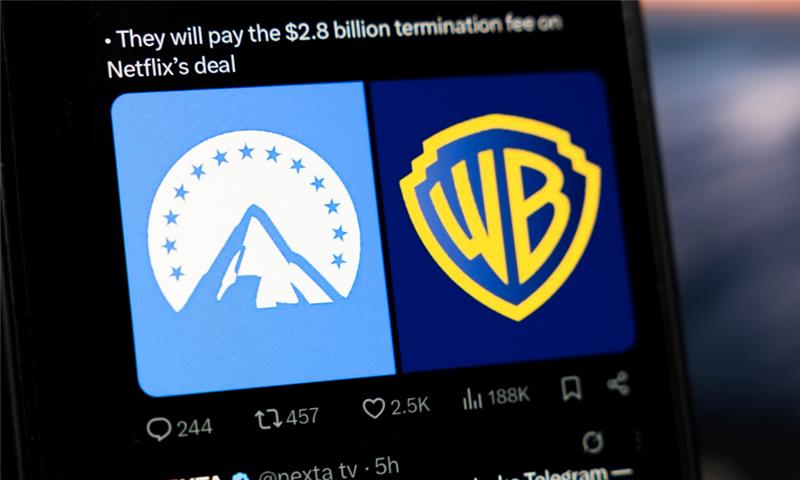
A dozen US states and the Writers Guild of America have challenged the merger between Paramount and Warner Bros Discovery in a significant legal setback to the watershed US$81 billion media deal, reported The Associated Press.
California attorney general Rob Bonta is spearheading the states’ suit, which claims that Paramount’s acquisition of WBD would kill competition in Hollywood and restrict consumer options in the US. It called for the merger process to be paused “until after the judicial process concludes,” per a snippet published by AP News.
The deal was expected to complete in the third quarter of 2026. Paramount and WBD rejected the states’ request, leading the states to file an emergency motion in federal court for a temporary restraining order and preliminary injunction to immediately freeze the deal last night July 13.
The states indicated that the media companies may seek to close the deal as soon as July 22.
Bonta said in a Los Angeles news conference that the merger would raise prices and lead to a drop in content quality. New York attorney general Letitia James added that the combination would birth “a massive company with unprecedented power and influence over news and entertainment across the globe” and “put jobs and businesses nationwide at risk,” per a statement published by AP News. Arizona attorney general Kris Mayes suggested that the deal’s progress was politically motivated given Paramount CEO David Ellison’s close ties with US president Donald Trump.
Colorado, Connecticut, Massachusetts, Minnesota, Nevada, New Jersey, New Mexico, Oregon, and Washington are the other states in the alliance. The states’ voices join those of numerous actors, directors, writers, and industry professionals, including the WGA.
The guild filed its own suit in federal court today July 14 claiming that the merger “threatens the economic and creative health of the American entertainment industry,” per a snippet published by AP News.
The suit asserts that the merger breaches antitrust law by limiting competition in writing for episodic TV and streaming series, TV writing deals overall, and screenwriting for major theatrical films.
“This proposed combined entity would be the largest employer of writers, with tremendous power to suppress our wages, eliminate opportunities for emerging writers, cut jobs across the industry, and produce less programming,” said Tom Fontana, WGA East president, in a statement published by AP News.
Paramount argued that the merger would create rather than limit opportunities for writers, claiming that it had promised to release at least 30 movies per year. It also said it would keep the Paramount and Warner film studios separate.
Paramount also said in a statement published by AP News that the states’ suit “distorts settled antitrust law.” The company added that the merger would create a “stronger competitor against dominant streaming and technology platforms who have harmed the market for theatrical exhibition and jobs in the entertainment industry.”
Paramount had previously promised shareholders a 25-cent per share “ticking fee” for each passing quarter if the deal is not completed by September 30. It also also agreed to a US$7 billion regulatory termination fee.