BC Supreme Court Chief Justice Ronald Skolrood upheld the Legal Professions Act on Wednesday
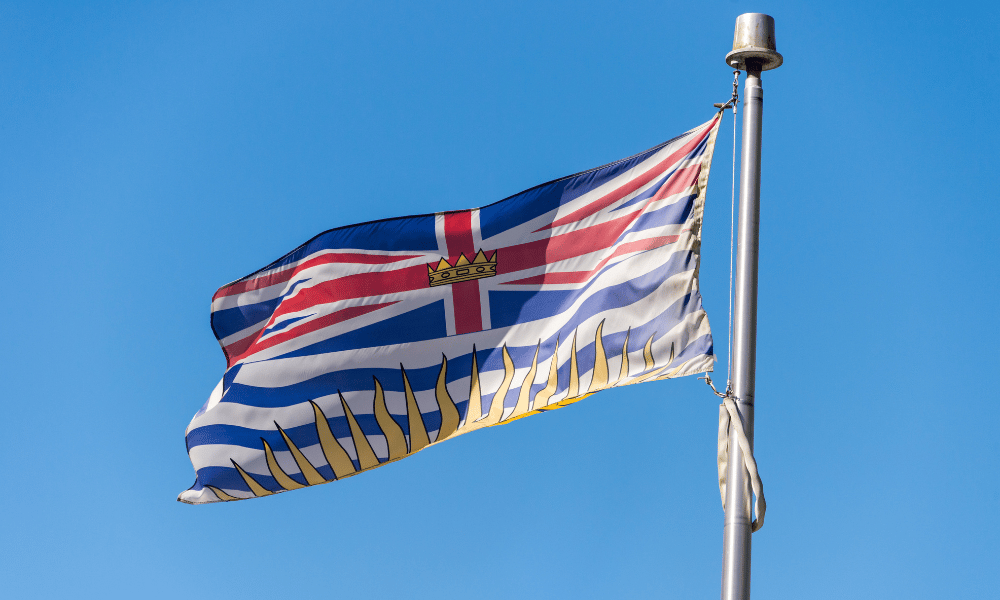
A British Columbia law that eliminates the Law Society of BC and reduces the power that lawyer-elected lawyers have over their regulator is constitutional, the BC Supreme Court ruled Wednesday, allowing the law to be implemented.
Passed in 2024, the Legal Professions Act will replace the LSBC with a new regulatory body that oversees lawyers, paralegals, and notaries.
The legislation also reduces the proportion of seats that lawyer-elected lawyers will hold on the new regulator’s governing board, effectively giving them a minority presence alongside board members elected by notaries, paralegals, the Lieutenant Governor in Council, and the board itself.
At the LSBC, which only regulates lawyers, approximately 80 percent of board seats are currently held by lawyers elected by members of the bar – an arrangement that the regulator argues is key to the bar’s ability to self-regulate.
The LSBC and the Trial Lawyers Association of BC had filed constitutional challenges to the Legal Professions Act shortly after the BC legislature passed the law.
In a 63-page decision on Wednesday, BC Supreme Court Chief Justice Ronald Skolrood said the central issue in the case was whether the BC legislature had acted beyond its authority by passing the Legal Professions Act.
He concluded that the legislation “does not improperly undermine the independence of the bar and is not ultra vires the provincial legislature. Nor does it violate the Charter.
“The actions of both the LSBC and the TLABC are dismissed,” Skolrood said.
The chief justice noted that in their written submissions and at trial, the Crown “offered no clear rationale for the significant changes brought about to the regulation of lawyers under [the Legal Professions Act] or to the jettisoning of the long-established practice of consultation and collaboration with the legal profession about changes to their governing legislation.”
However, the chief justice agreed with the Crown’s argument that “absence of a clear justification for the legislation, as well as the failure to obtain consensus with lawyers and the public, are irrelevant to the constitutionality of the legislation ultimately enacted by the legislature.”
Skolrood said he agreed with the plaintiffs’ stance that the independence of the bar is an “unwritten constitutional principle.” But he ultimately concluded that the BC legislature has the authority to determine how lawyers should be regulated, writing that "while the legislature has historically chosen a self-governance model, that model is not constitutionally mandated as a requirement for maintaining an independent bar."
In a statement, Trial Lawyers Association of BC President Rebecca McConchie said the organization was “disappointed about the outcome of today's decision, but we will be reviewing it over the course of the coming days to determine whether we should initiate an appeal to the BC Court of Appeal.
"Given the public interest significance that this case represents and given the essential importance of preserving the independence of the legal profession and the rights of our clients, I think I can say now that an appeal of this decision is likely,” McConchie added.
The LSBC said it is also considering an appeal. LSBC President Thomas Spraggs said, “This case was about protecting the ability of lawyers to serve their clients without government intrusion and ensuring that regulation of the profession remains focused on protecting the public interest in the administration of justice. This decision does not change that position."
The Canadian Bar Association was among several intervenors in the case. In a joint statement, Canadian Bar Association President Bianca Kratt and CBABC President Patricia Blair said the organization intervened in the case “to defend the independence of the legal profession.”
Kratt and Blair added that “when Canadians seek legal counsel, they should be confident that their lawyer’s advice is wholly independent of government preferences or pressure. Lawyers must be answerable to their clients, their professional obligations, and the courts – not to the state.”
Shortly after the LSBC and the Trial Lawyers Association of BC filed their challenges in 2024, the BC Supreme Court rejected the organizations’ pleas for an injunction to suspend the law until the litigation was resolved, forcing the LSBC to comply with the legislation's transitional provisions. This included having LSBC benchers appoint four members to a transitional board to help implement the legislation.
Last fall, weeks before the case went to trial, BC Attorney General Niki Sharma told the LSBC and the Society of Notaries Public of BC, the province’s regulator for notaries, that the province would not move forward with implementing the law without notice until the BC Supreme Court issues its decision in the case.
At trial, the LSBC and the Trial Lawyers Association separately told Skolrood that the Legal Professions Act undermines the independence of the bar, which has long regulated itself. Counsel for the LSBC clarified that it agrees with some provisions of the law, including the creation of a single regulator for lawyers, notaries, and paralegals in BC.
The Crown, meanwhile, argued that the Legal Profession Act does not interfere with lawyer independence to an unconstitutional degree.
Among the case’s intervenors, the Canadian Bar Association and the Law Society of Manitoba sided with the plaintiffs. But the Society of Notaries Public of BC and the Indigenous Bar Association were less swayed by their arguments of unconstitutionality. The latter also pushed back against the plaintiffs’ argument that the law, which establishes an Indigenous council to advise BC’s new legal regulator on aligning its practices with BC’s reconciliation mandates, interferes with lawyers’ independence.
A similar scenario is playing out in Ontario, where the legal regulator revealed similar plans to slash the proportion of lawyer-elected lawyers on its governing board shortly after BC passed the Legal Professions Act.
The Law Society of Ontario has since amended its plans to reduce the board's size while still allowing lawyers to maintain a 65 percent majority. Benchers are slated to vote on the new proposal on Thursday.
In a statement, BC Attorney General spokesperson Yusing Tsou said, "The Province strongly believe in the Act’s purpose – to help increase access to legal services for people in British Columbia. We are still reviewing the court’s decision carefully and will take the time needed for a full assessment before commenting further."
Editor's Note: This story has been updated with comments from McConchie, Spraggs, and Tsou, as well as more details from Skolrood's ruling.