

Nazhat Shameen Khan and Mame Mandiaye Niang will remain the leaders of the prosecutor’s office
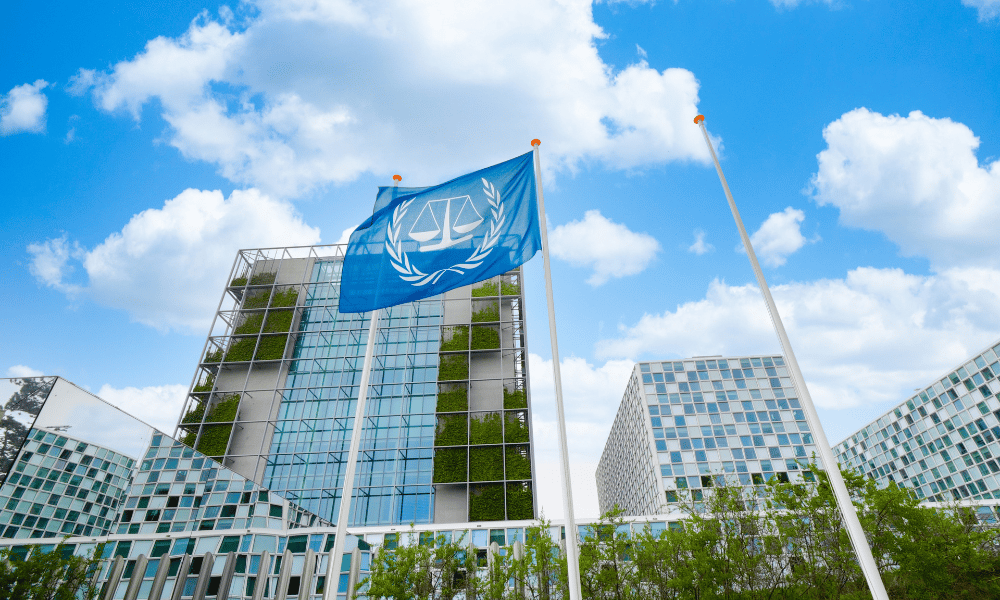
Following a closed-door vote by the Assembly of States Parties, International Criminal Court member states have removed chief prosecutor Karim Khan from his post in light of sexual misconduct claims.
Khan’s dismissal under Rome Statute article 46 was decided by a majority of 82 States Parties on Friday July 24, per a statement by ASP president Päivi Kaukoranta. The parties determined that Khan had engaged in serious misconduct and breach of duty.
The Office of Internal Oversight Services investigated Khan at the ICC’s behest after allegations were put forward by the victim and two other individuals in 2024. The OIOS found evidence that the claims were valid, and its report supported the decision to remove Khan.
Kaukoranta’s statement added that due process had been honored and that Khan had been given “considerable flexibility” through the provision of extra protections to those specified under the legal framework.
With Khan’s dismissal, deputy prosecutors Nazhat Shameen Khan and Mame Mandiaye Niang will lead the ICC’s Office of the Prosecutor. They first took the helm after Khan went on a leave of absence in May 2025 pending the investigation and continued in the role after he was suspended from duty on June 8, per the ICC.
The United Nations indicated in a press release that that the ICC Assembly would be tasked with electing a new prosecutor soon.
“The Office maintains a zero-tolerance policy against sexual harassment and other forms of misconduct, and is committed to upholding professionalism, integrity, and accountability in carrying out its work. It will continue to foster a respectful, safe and inclusive workplace environment by prioritising the duty of care it owes to its staff members,” the OTP wrote in a statement.
Khan had initially been elected in 2021 for a nine-year run as ICC prosecutor.
The ASP acts as the ICC’s management oversight and legislative body. It consists of 125 members comprising representatives of states that have ratified or acceded to the Rome Statute.
The OTP conducts independent and neutral preliminary examinations, investigations, and prosecutions of the crime of genocide, crimes against humanity, war crimes, and the crime of aggression.
Editor’s Note: This article has been corrected to clarify that an ad hoc panel of judicial experts did not recommend Khan's dismissal.


