
States challenged Elon Musk companies like X and SpaceX over explicit images on their platforms
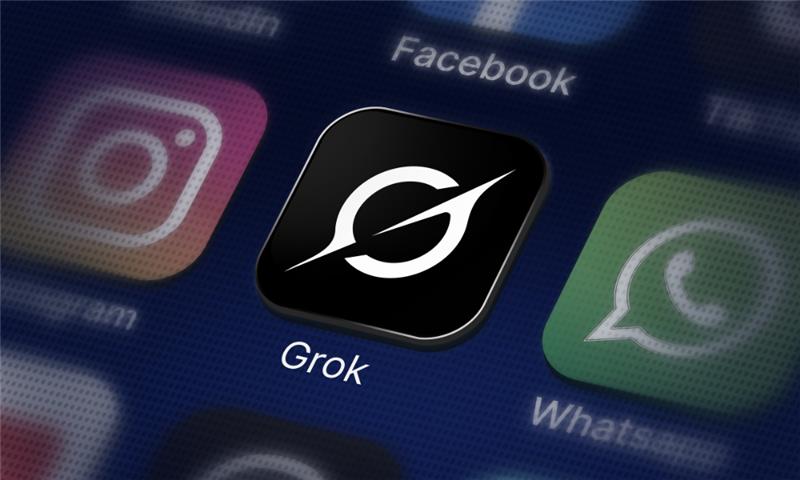
The attorneys general of Virginia and Oregon have sued several Elon Musk companies and subsidiaries over artificial intelligence chatbot Grok’s ability to generate nonconsensual intimate images, reported The Associated Press.
Grok developer SpaceX Super Intelligence (SpaceXSI, formerly xAI), social media platform X, and SpaceX were among the organizations named as defendants. The two distinct suits were brought under the consumer protection statutes of each state.
Virginia attorney general Jay Jones accused the Musk companies of putting the business model above people’s safety. He claimed that the companies removed “industry-standard safeguards” and promoted a “spicy mode” that could generate content featuring nudity in order to market what he described as a “lagging product.”
“Defendants’ published system prompt materials — the set of instructions that guides the AI model’s behavior — told Grok to ‘assume good intent,’ stated that terms such as ‘teenage’ or ‘girl’ do not necessarily imply underage, and imposed minimal restrictions on sexual content,” said the suit, a snippet of which was published by AP News.
Jones added that the defendants viewed weak safeguards as a feature rather than a failure.
Grok’s ability to create explicit images became evident shortly after it launched its image generation and editing functions in December 2025. It quickly faced international criticism, with nations like Malaysia and Indonesia instituting short-term bans of the tool.
Grok limited the image generation and editing features to paying users, which the Virginia suit said merely made the process a moneymaking one. Moreover, the companies did not take timely action on the proliferation of “jailbreak prompts” to circumvent the restrictions on generating nonconsensual images.
The Virginia suit said in a snippet published by AP News that Musk’s companies broke consumer protection law by “misrepresenting that they implemented and enforced safeguards” shielding users on their platforms from sexualized imagery. The state is seeking US$2,500 for every “willful violation” of its Consumer Protection Act, with the precise number of violations to be presented at trial. Moreover, it has requested a judge to stem further breaches of the law and compel the Musk companies to surrender proceeds obtained by breaking the law.
Oregon echoed these demands in its suit. Both states’ suits were filed on Monday November 23.
SpaceXSI said in a statement that it was taking action against users who tried to produce sexualized images without consent, such as by informing law enforcement.
“Attempting to create this material is a serious crime, and the individuals who do it should be prosecuted to the fullest extent of the law. We will continue to work with the authorities via all available means to pursue these bad actors,” the company said in a statement published by AP News.
It claimed that it trialed and adjusted safeguards “as abusers change tactics.” It has brought users to federal court at least thrice over using the platform to generate nonconsensual sexually explicit images and child sexual abuse material.