

Three recent LAT decisions show why surveillance is a powerful tool in disputes
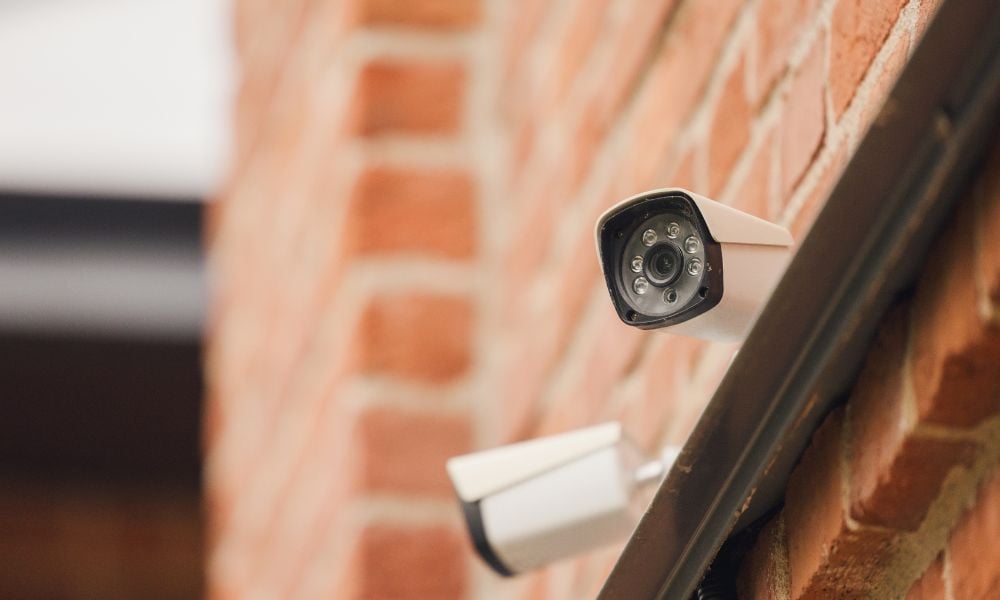
In any accident benefits dispute at the LAT, your client’s single greatest asset isn’t medical evidence. It’s credibility. And nothing destroys credibility faster than a video.
This type of evidence speaks for itself, says Shane Katz, lawyer at Singer Kwinter.
“Video is so destructive when it comes to credibility,” Katz says. “It doesn’t matter if it’s a 30-second clip from your client’s best day, if it’s inconsistent with their reporting in the case — it is what it is.”
Decisions where footage proved decisive
Three recent LAT decisions, taken together, illustrate how surveillance can provide direct evidence of a claimant’s day-to-day functioning and allow insurers to evaluate reported limitations against observed activities. They also show why, in a catastrophic impairment claim, the extent of a claimant’s functional impairment is central to the outcome.
“The legal rules prevent any surveillance occurring of the claimant within their home but the moment they step outside, they’re fair game,” says Katz. “Once they’re out in the public, whoever is being claimed against has the right to test the evidence.”
In Sugunarajan v. The Personal Insurance Company, six days of surveillance captured the claimant driving seemingly normally. He took his children to school and pumped gas, while also using Highway 401 frequently. The LAT ultimately found that the evidence did not establish the level of impairment required for a catastrophic designation.
In Ganopolsky v. Security National Insurance Company, surveillance showed the claimant spending several hours socializing at a repair shop, evidence that was relevant to the Tribunal’s assessment of his reported social and psychological limitations. The LAT found that his impairments did not meet the threshold for catastrophic impairment.
Finally, Smadi v. Intact Insurance Company saw the insurer present 21 minutes of footage from approximately 29.5 hours of surveillance. The claimant argued that the selected footage was unfairly prejudicial, but the LAT admitted it and ultimately rejected the CAT claim.
The latter case raised a common argument to rebut surveillance video: cherry-picking. Essentially, Katz describes the cherry-picking argument as asking the trier of fact to weigh the hours of footage showing nothing against the insurer’s highlight reel — and to factor in that the company may have attempted surveillance ten times just to produce the snippet they're now putting forward.
When it comes to these cases, it’s hard to argue the probative value of clear video evidence is outweighed by its prejudicial effect, however.
“Those are important arguments, but they’re tough to make if your client says he can’t work or lift, but there’s footage of him standing on a roof hammering in shingles,” Katz says. “There’s also the argument that your client was just having a good day. In every situation, it’s open for the claimant to put that evidence in.”
Prepare for the camera, protect the case
In any injury case, the client’s credibility and likability are critical. An attack on credibility can knock down likability, and the case suffers.
Katz prefers to avoid the surveillance trap altogether, warning clients from the get-go and reminding them consistently, adding that a client could face surveillance from two directions at once: their own insurer on the AB side and the at-fault driver’s insurer on the tort side, each conducting independent operations on the same file.
Katz’s advice is direct: surveillance can damage the claim if you’re caught on video doing something you’ve said you cannot do, or something you know from a commonsense point of view you shouldn't be able to do based on what you've reported regarding your symptoms. Sometimes, no matter how well a client is prepped, they fail to be vigilant. Perhaps they’re feeling good one day, and decide to do something out of the ordinary — and that’s when the insurance company gets video footage.
“Surveillance is always dangerous; it’s one of the main ways an insurance company can hurt your client’s credibility,” Katz says. “I’ve had many cases where surveillance appears but it’s usually not too destructive because my clients have been properly prepared.”
Power imbalance: the system behind the stats
The recent decisions won’t come as a surprise to seasoned personal injury lawyers. Recent data shows that insurers are successful in a large majority of adjudicated AB cases. An Ontario Trial Lawyers Association analysis of approximately 5,670 substantive LAT decisions through the end of 2024 found that insurers were successful in 74% of decisions, up from 56% in 2017, compared with 8% for claimants, down from 33%.
“It's heavily slanted towards findings in favour of the insurance companies and that’s been happening for a long time,” Katz says. “It could just reflect the system: it doesn’t award costs so even if a lawyer is successful, their client can’t pay them. That results in a lot of situations where claimants are before the LAT without the best lawyers to argue a given case.”
It’s difficult, if not impossible, to get data from the insurer side on specific claims. Katz describes it as shocking how much an insurer will spend to avoid paying out to a single claimant — an inherent resource imbalance between the parties that’s nearly impossible to quantify from the outside.
“It just underscores the fact that on one side of a dispute you have a billion-dollar company, and on the other side you have an individual; inherent in that is the ability of either side to put their case forward,” he says. “Ideally, the purpose of an AB claim is to allow an injured person to get what they need to recover without worrying about fault. It hasn’t turned out that way, because insurance companies will be insurance companies.”
This article was produced in partnership with Singer Kwinter.